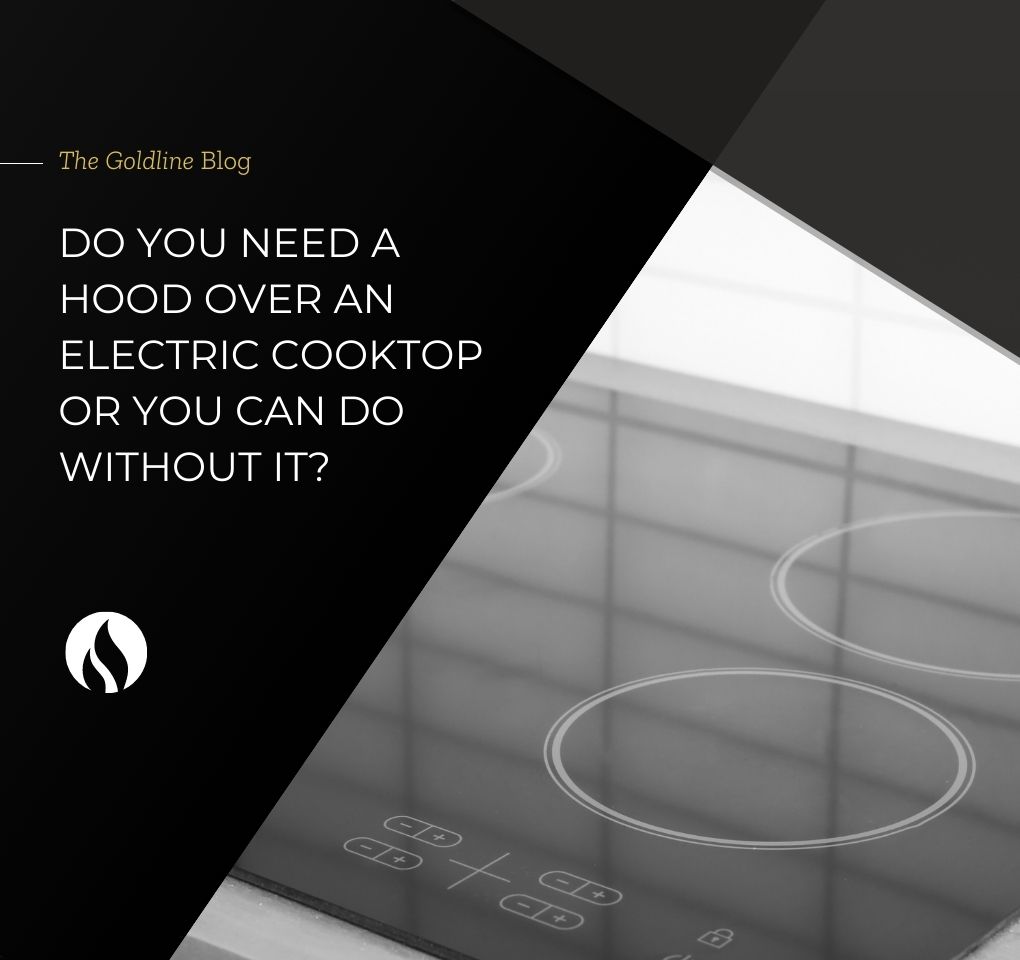
Electric cooktops are made of coiled metal elements that heat up and transfer heat to the pot or pan on the cooktop. Unlike gas cooktops, they use electricity to generate heat. Most have a smooth ceramic surface, making them easy to clean. One downside is that they heat up more slowly compared to gas cooktops.
If you are looking for the best cooktop in Australia, check the Goldline Narrow Electric Cooktop. It measures 930mm x 450mm x 60mm and fits well in any kitchen, whether small or large. It comes with 1x Triple zone, 1x Twin zone, and 2x Single zone cooktop zones to cover all your cooking needs.
Pros of Electric Cooktops
Safer than Gas Cooktops
Electric stoves are safer than gas stoves. Gas leaks can be hazardous, while electric cooktops eliminate this risk. Electric cooktops also reduce the risk of flammable items catching fire.
Reduce Indoor Pollution
Gas stoves release harmful compounds into the air, contributing to indoor pollution. Electric cooktops do not produce these emissions, making them better for indoor air quality.
Elegant Design
Electric cooktops have a slim, contemporary design that fits well in modern kitchens. They also take up less space and are easy to clean.
Safer for Confined or Small Kitchens
Electric cooktops stay cooler to the touch and are safer in small or confined kitchens, reducing the risk of burns or accidents.
Modern Features
Electric cooktops include features like safety shut-offs, timers, and automatic pan size detection, making them efficient and convenient to use.
Easy to Clean
With a flat glass surface, electric cooktops are simple to wipe down, leaving no grime in crevices or cracks.
Even Heat Distribution
Electric cooktops distribute heat evenly across the cooking surface, allowing for consistent cooking results.
Cons of Electric Cooktops
Higher Cost
Electric cooktops with advanced features can be costly compared to basic gas models.
Consumes More Electricity
Electric cooktops use significant energy, which may increase electricity bills.
No Power, No Cooking
If electricity is unavailable, electric cooktops cannot operate, unlike gas cooktops which can function during power outages.
Slow Temperature Response
Electric cooktops take longer to adjust temperature compared to gas cooktops.
How Electric Cooktops Work
Electric cooktops pass an electrical current through metal coils to generate heat. This heat is transferred to the cooking surface and then to your cookware. Temperature adjustments take a bit of time to reflect.
Electric or Gas Cooktop – What to Use?
Electric cooktops are energy-efficient and safer, while gas cooktops offer better temperature control and immediate heat. Gas cooktops require a gas line, whereas electric cooktops only need electricity, making installation simpler.
Induction Cooktop or Electric Cooktop?
Induction cooktops are a type of electric cooktop. They have a smooth glass-ceramic surface with elements below that heat the pot or pan directly without heating the surface. This allows faster cooking and uses less energy than traditional electric cooktops, though they are more expensive.
Electricity Usage
Electric stoves consume around 700 to 2300 watts per hour. They are generally less expensive to operate than gas stoves and easier to clean due to fewer nooks and crannies.
Conclusion
Electric cooktops are efficient, modern, and safer than gas cooktops. While they have a higher upfront cost, operating costs are generally lower over time. If you are considering replacing a gas cooktop, an electric model like the Goldline Narrow Electric Cooktop could be a stylish and functional option for your kitchen, offering multiple cooktop zones and a slim, modern design.